
Our Leadership
ABOUT
A collective of scientists, clinicians, and trusted communicators bringing deep expertise and proven reach to evidence-based health communication.
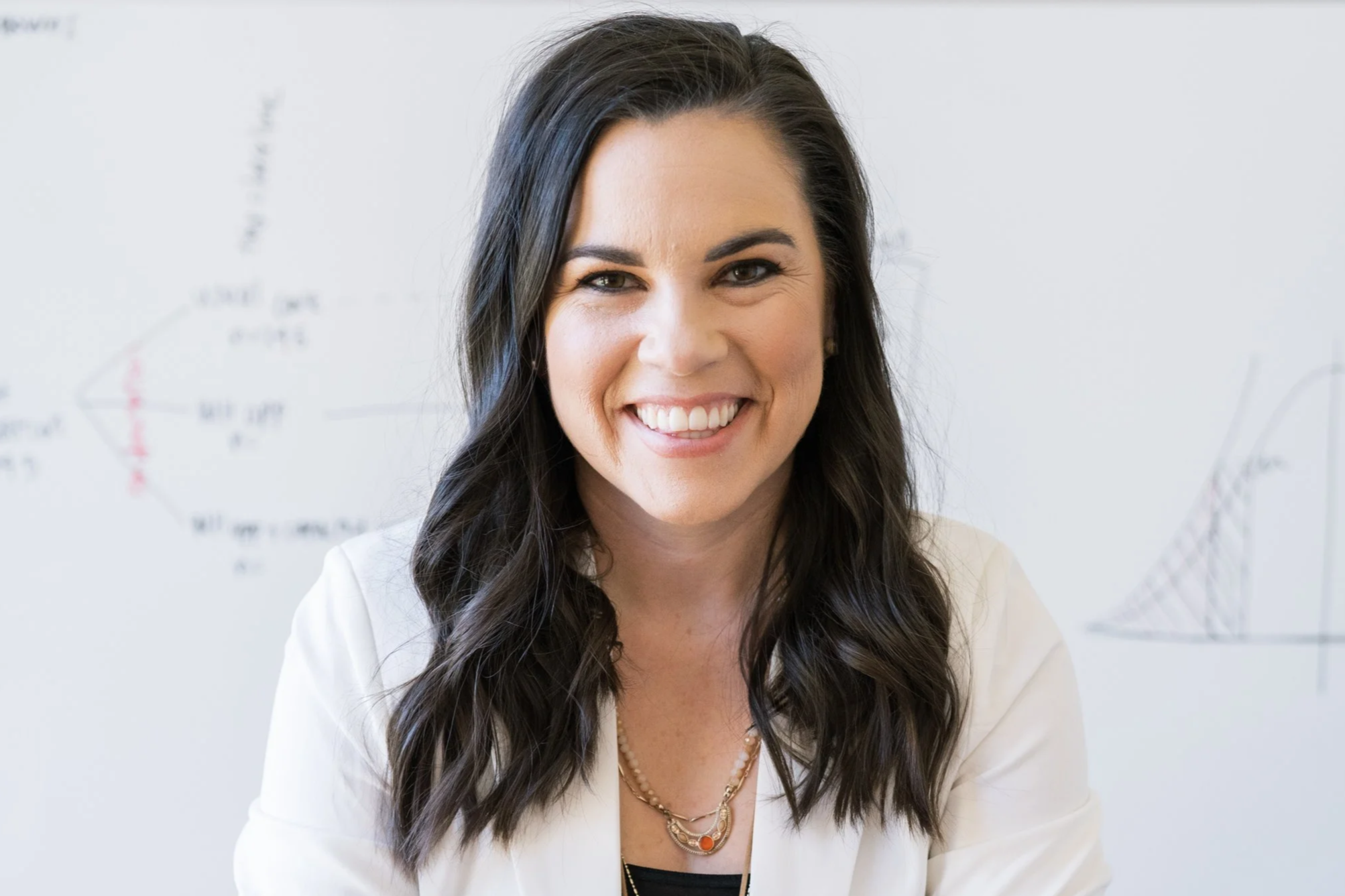
Dr. Katelyn K. Jetelina
CO-FOUNDER
Dr. Katelyn Jetelina is an epidemiologist and scientific communicator. Dr. Jetelina is the founder and CEO of Your Local Epidemiologist- a public health newsletter that “translates” ever-evolving science to the public, reaching over 500 million views in over 133 countries. In addition, she is the co-founder of Healthier Together, an adjunct professor at Yale School of Public Health, and former Senior Advisor to the White House and Centers for Disease Control and Prevention. Dr. Jetelina has received numerous national awards, including recently being named a TIME100 Most Influential Person in Health. She has her Masters of Public Health and PhD in epidemiology and biostatistics from the University of Texas Health Science Center and an honorary doctorate from SUNY.

Dr. Jess Steier
CO-FOUNDER
Dr. Jess Steier is a public health scientist and scientific communicator. She is the founder of Unbiased Science - an organization that uses data visualizations, real-world analogies, and human voice to communicate complex scientific concepts for public understanding via multiple media modalities. She is also CEO of a data science firm that transforms data into meaningful information for diverse stakeholders.
She serves as Executive Director of The Science Literacy Lab, a non-profit organization empowering individuals to make informed health decisions through improved scientific literacy. She holds a Master of Public Health in Evaluative Sciences from SUNY-Stony Brook University and a Doctor of Public Health from the City University of New York's Graduate Center, with a certificate in public relations from Cornell University.
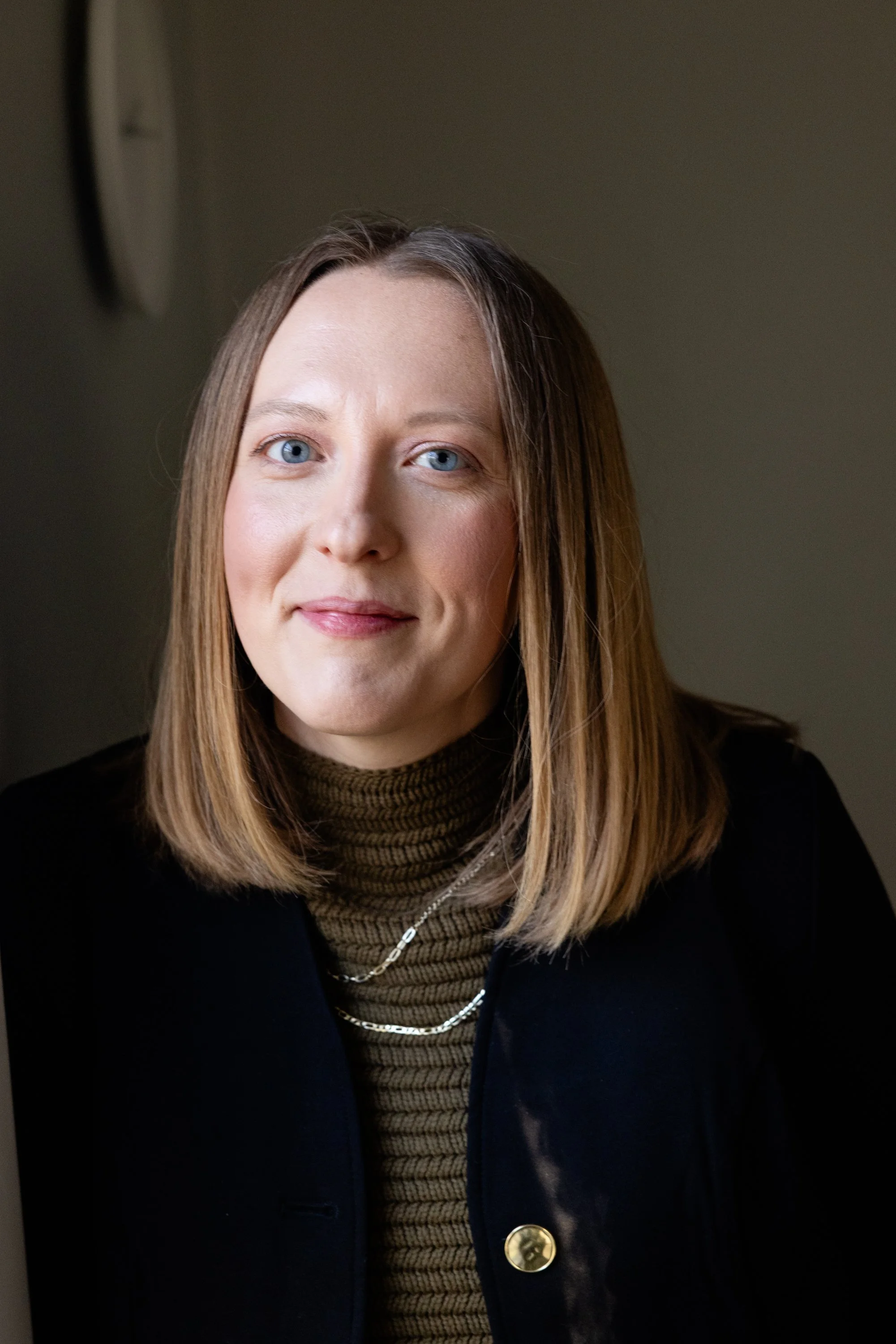
Dr. Elisabeth Marnik
EXECUTIVE DIRECTOR
Dr. Elisabeth Adkins Marnik is a science communicator and immunologist working at the intersection of public trust, science, and public health. She earned her PhD in genetics and immunology from Tufts University.
Raised in a family that distrusted science and vaccines, Liz brings a personal understanding of hesitancy to her work. During the COVID-19 pandemic, she launched Science Whiz Liz to help the public navigate emerging health information, combining lived experience with scientific expertise. Liz now leads national efforts to translate evidence into clear, responsible, and empathetic public communication. She is an inaugural member of the National Academy of Medicine’s Action Collaborative on Building Trust in Health Science Through Community Partnership and Lived Experience and was named to Mainebiz’s 2025 40 Under 40 for her leadership in science education and public engagement.
Steering Committee
-
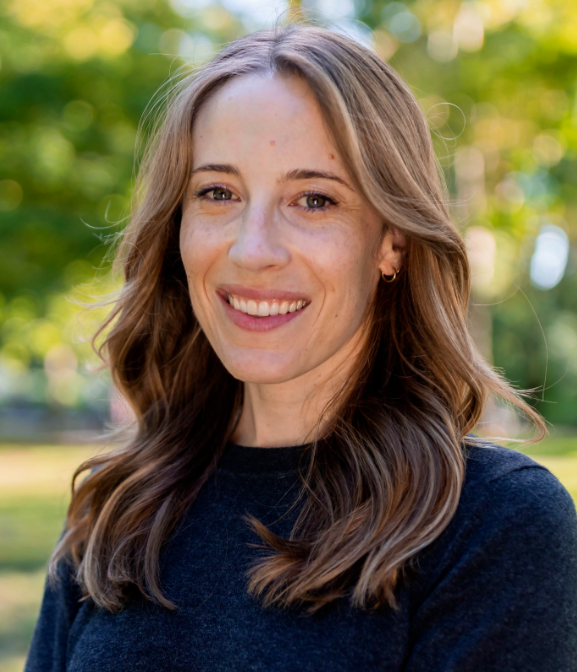
Marisa Donnelly, PhD.
Dr. Marisa Donnelly (PhD) is an epidemiologist and science communicator dedicated to strengthening disease surveillance and making health information more accessible. She completed her PhD in Infectious Disease Epidemiology at UC Davis, where she studied Zika and dengue viruses and the mosquitoes that transmit them.
She writes the New York edition of Your Local Epidemiologist, translating health data into clear, actionable insights for New Yorkers, and bridging the gap between national headlines and local realities. Her expertise has been featured in outlets like The Washington Post, WIRED, NPR, and the New England Journal of Medicine. In parallel, she works in wastewater epidemiology to improve outbreak detection, support efforts to mitigate substance use, and strengthen national security.
Dr. Donnelly previously served as a CDC Epidemic Intelligence Service (EIS) Officer, leading responses to emerging threats like mpox and Covid-19, and as a Senior Epidemiologist at the California Department of Public Health.
-
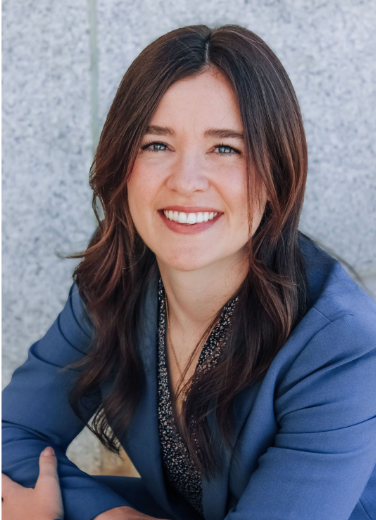
Annicka Evans, PhD.
Dr. Annicka Evans (PhD) is a trained bioengineer with a passion for making science accessible and actionable. She earned her undergraduate degree in bioengineering from the University of Utah and completed her PhD at Rice University, where her research focused on AAV gene therapy and capsid engineering.
Annicka began her industry career in Analytical Development, where she spent five years developing precise and robust methods to characterize both gene therapy and biological products targeting neurological and immunological diseases. In recent years, she has expanded her scope to include data strategy and workflow optimization - using visualization tools and digital systems to improve lab efficiency and cross-functional integration.
In parallel with her industry work, Annicka has spent nearly five years building a science communication platform (ScienceWithAnni) that translates complex molecular biology and virology concepts for a broader audience. Her positioning within the biotech industry makes her fit to unpack the science behind regulatory decisions, drug development, and public health guidance. Through clear visuals and evidence-driven narratives, she bridges the gap between cutting-edge biotech and public understanding.
-
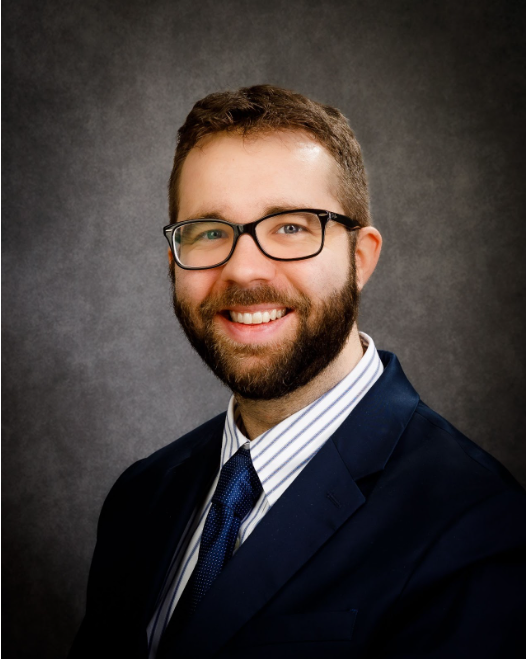
Matthew Facciani, PhD
Dr. Matthew Facciani is an interdisciplinary social scientist with a background in neuroscience and psychology and holds a PhD in sociology. His research focuses on media literacy, misinformation, social networks, political polarization, identities, and artificial intelligence. Beyond academia, Matthew is a passionate science communicator dedicated to making complex social science research accessible to the public. He has written for various media outlets, spoken at national conferences, and hosts Misguided: The Podcast, where he explores how social and psychological forces shape the way we process and consume information. His new book, Misguided: Where Misinformation Starts, How It Spreads, and What to Do About It, was recently published by Columbia University Press. Through his research and public engagement, Matthew strives to bridge the gap between academia and everyday conversations about truth, trust, and media literacy.
-
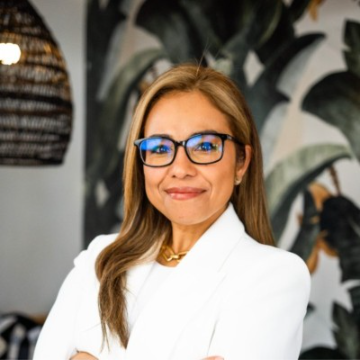
Bertha Hidalgo, PhD, MPH, FACE
Dr. Bertha Hidalgo is an Associate Professor with tenure in the Department of Epidemiology and Associate Dean for the Office of Access and Engagement at the UAB School of Public Health. She holds degrees from Stanford University, the University of Southern California and the University of Alabama at Birmingham. She leads research programs in genetic epidemiology and dissemination science. Dr. Hidalgo has a highly productive record of peer-reviewed research in relevant research areas with publications as lead or co-lead author in high-impact journals including Nature, Scientific Reports, Diabetes, American Journal of Public Health, with over 100 publications in total as lead, co-author or senior author. She has attained research funding from the Robert Wood Johnson Foundation, National Institutes of Health, the American Heart Association, and internal funding from UAB. Dr. Hidalgo is the past chair of the Minority Affairs committee and current President of the American College of Epidemiology, as well as a long-standing member on the NHLBI Board of External Experts. Dr. Hidalgo is also a recipient of the 2019 Robert Wood Johnson Foundation Early Career Achievement Award.
-
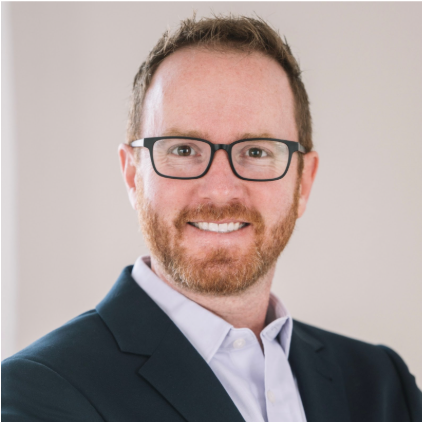
David Higgins, MD, MPH, FAAP
Dr. David Higgins is a double board-certified pediatrician and public health/preventive medicine specialist committed to improving the health and well-being of children, adolescents, and their communities. He practices pediatrics in Colorado and works at the intersection of clinical care, public health, policy, and education.
Dr. Higgins focuses on translating evidence into practical, real-world strategies that strengthen vaccine delivery, communication, and public confidence. Drawing on experience as a community pediatrician in both urban and rural settings, he brings a grounded understanding of how health systems function—and fail—on the front lines of care.
Blending clinical practice, public health, policy, and education, Dr. Higgins has served as a physician, advisor, educator, and leader across community and academic settings. His expertise spans health communication, vaccine delivery, disease prevention, and health-services innovation. An experienced writer and speaker, his insights have been featured in The New York Times, The Washington Post, The Wall Street Journal, CNN, and many other national outlets.
-
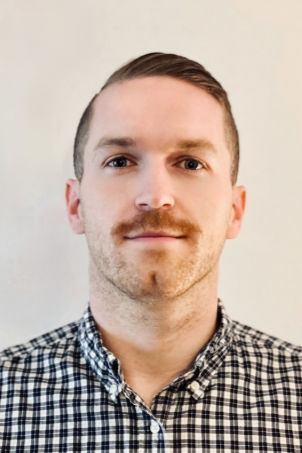
Kevin Klatt, PhD, RD
Dr Klatt is an Assistant Professor in the Department of Nutritional Sciences at the University of Toronto. He received his PhD in Molecular Nutrition from Cornell University and completed his clinical dietetic (RD) training at the National Institutes of Health Clinical Center. His research program utilizes both preclinical models as well as human intervention studies to advance our understanding of nutrient metabolism, signaling and requirements.
In addition to research, Dr Klatt is an Associate Editor at the American Journal of Clinical Nutrition and on the Research Committee of the Academy of Nutrition & Dietetics. He is additionally a Section Editor of the graduate-level nutrition textbook, Biochemical Physiological and Molecular Aspects of Human Nutrition, 5e.
-
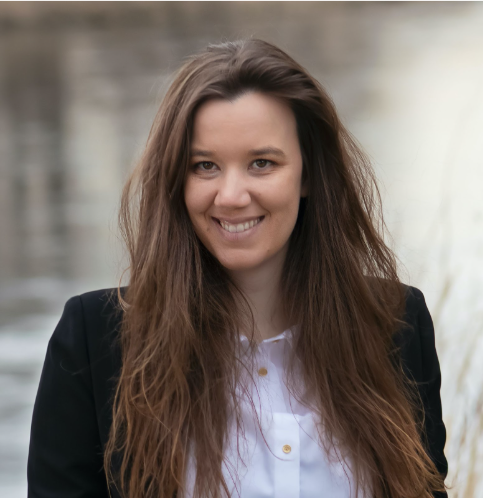
Kristen Panthagani, MD, PhD
Dr. Kristen Panthagani is completing a combined emergency medicine residency and research fellowship focusing on health literacy and communication. She is the creator of You Can Know Things, a widely read newsletter addressing health myths and rumors through articles, short videos, and animated data visualizations. Her work has been viewed millions of times and been featured in prominent outlets including The Wall Street Journal, New York Times, and the New England Journal of Medicine. She holds a bachelor’s degree in Chemistry and earned her MD and PhD from Baylor College of Medicine studying the human microbiome.
-
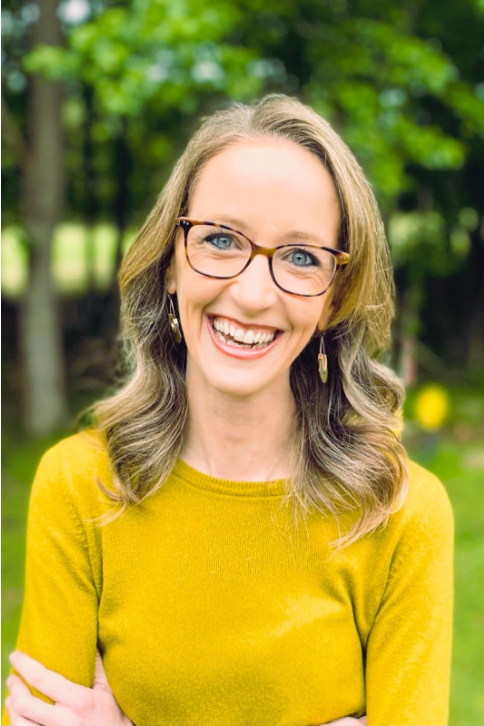
Emily Smith, PhD, MSPH
Emily Smith, PhD, is an Associate Professor with research interests related to the intersection of poverty and children’s healthcare in global health settings. She often writes and speaks on health equity and global health through the lens of “love-thy-neighbor” and/or from a faith perspective as a pastor’s wife and scientist. As the Friendly Neighbor Epidemiologist, her Substack blog and FB page reach 160+ countries, and her work has been featured in TIME Magazine, NPR, the Washington Post, and Christianity Today. She is the author of her first book, The Science of the Good Samaritan: Thinking Bigger about Loving our Neighbors (Harper Collins; 2023).
★ 10M+ SOCIAL FOLLOWERS
★ 150M+ MONTHLY REACH
★ EVIDENCE-BASED
★ TRUSTED VOICES
★ 32+ SPECIALISTS
★ 10M+ SOCIAL FOLLOWERS ★ 150M+ MONTHLY REACH ★ EVIDENCE-BASED ★ TRUSTED VOICES ★ 32+ SPECIALISTS

PARTNER WITH US
Help us get trusted science to more people, faster.
Funders and partners make rapid, evidence-based health communication possible at scale. Let's talk about what we can build together.